Fourth grade students at Maple Avenue Elementary School have spent the last few weeks watching and learning from chicken and quail eggs hatching right in their classroom.
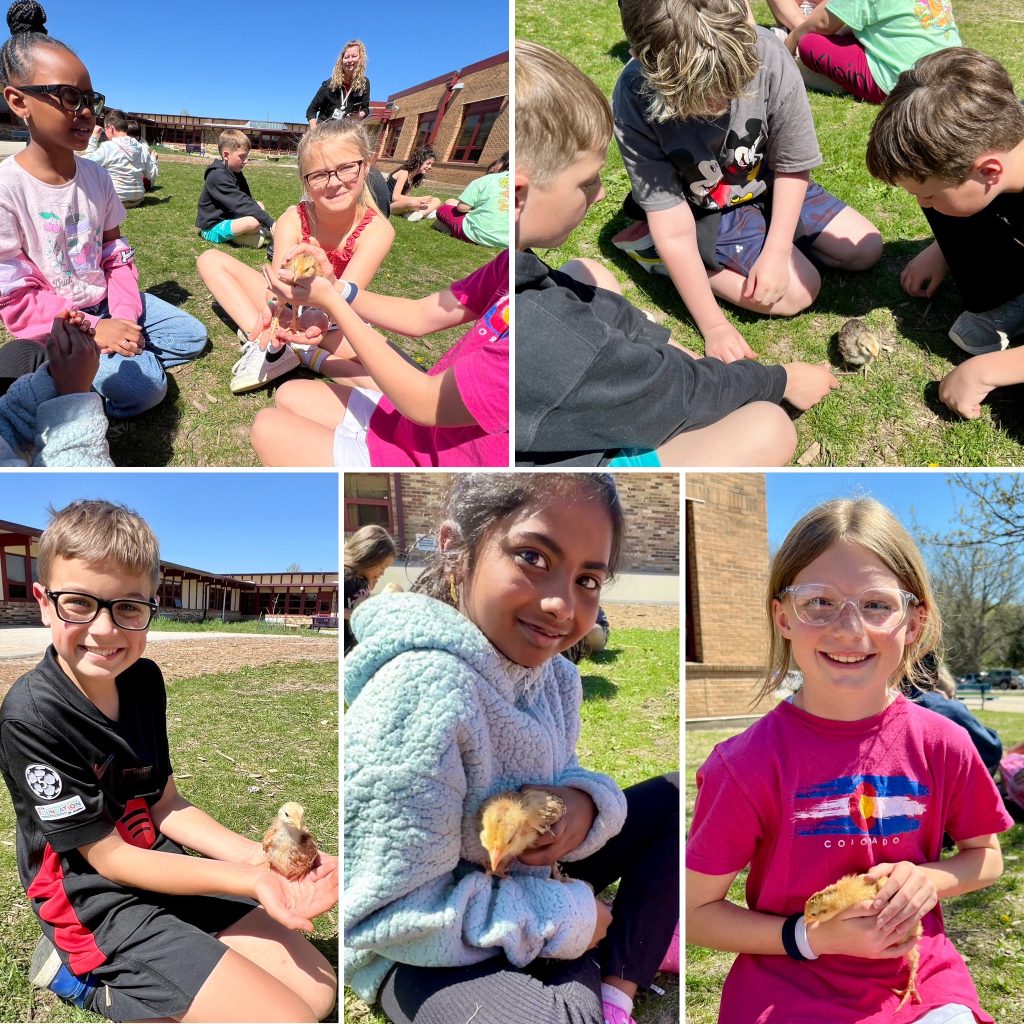
“The students get wonderfully excited about this project and look forward to the chicks hatching with great anticipation. There are many educational connections that we make before, during and after the chicks hatch,” says Teacher Katie Bernard, who has been incubating eggs and hatching chicks in her classroom since 2016.
Students discuss different structures of the egg and each of their functions ranging from protection, to nourishment and ventilation. Bernard explains to students that even the oval shape of the egg functions to keep the egg from rolling off of a flat surface.
“I’ve also been able to tie in the concept of grit since it takes baby chicks an average of 24 to 72 hours to hatch after the first pip (crack), and we discuss what would happen if the chick gave up,” explains Bernard.
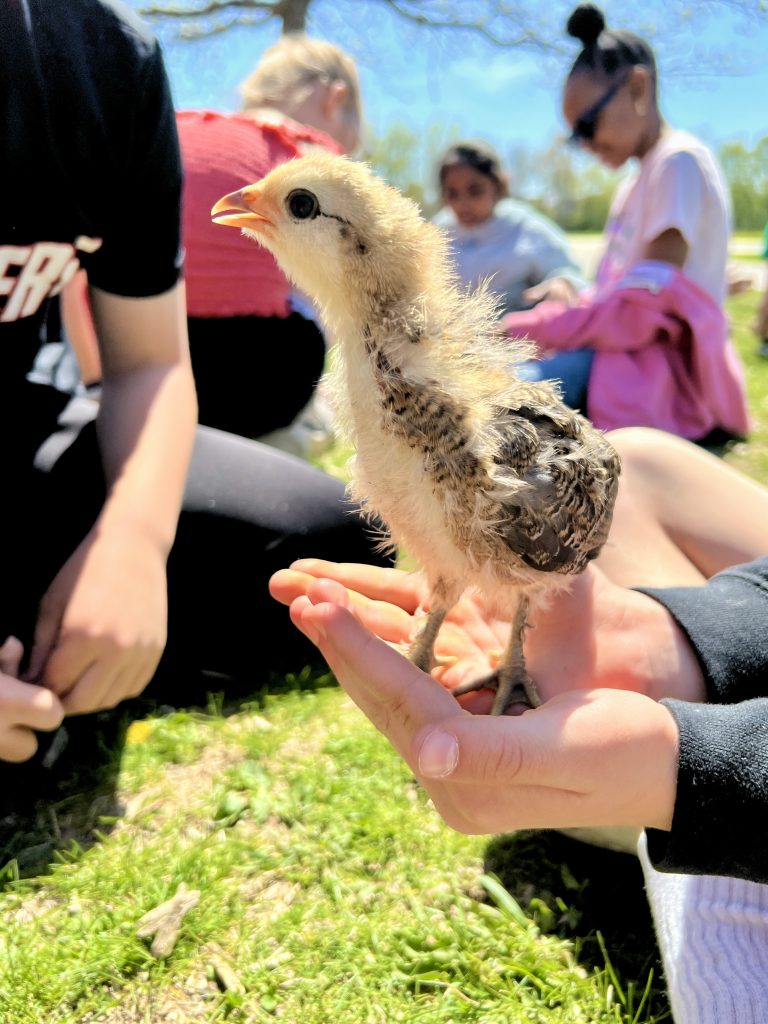
Many students are surprised to see that baby chickens can be brown, black, white or a combination of colors. This is different from the yellow colored chicks that are often seen in pictures. Seeing the variety in the coloration of the quail and chicken serves as a good review of the students’ third grade science unit on inheritance and traits.